Screen Signals creator assessment

Is Khan Academy Kids appropriate for kids?

@khanacademykids · A parent-focused assessment based on a sample of recent and popular public long-form videos, not a review of every upload.

6 videos analyzed Last analyzed August 20, 2026View channel on YouTube
Scores by age

Age-specific assessment

Choose an age range.

99of 100
For ages 8–10

Low observed concern in the sample

Khan Academy Kids scores 99 out of 100 for ages 8-10. The sampled videos produced a high score using the ages 8-10 rubric, with relatively few observed concerns. The sampled videos did not show a recurring high-concern pattern. A positive pattern was educational or thought-provoking material appears in multiple sampled videos.

high confidence from the available video sample
LanguageLow observed concern100
Violence & intensityLow observed concern100
Sexual or suggestive contentLow observed concern100
Substances & risky behaviorLow observed concern100
Harassment & role modelingLow observed concern100
Fear & disturbing themesLow observed concern96
Mature & sensitive topicsLow observed concern100
Commercial pressureLow observed concern95
Positive patterns in the sample
  • Educational or thought-provoking material appears in multiple sampled videos.
  • Kindness, empathy, or supportive relationships appear in multiple sampled videos.
Things a parent may want to know

No recurring caution was recorded in the sampled videos.

Videos reviewed

A quick look at the sample

See the individual videos that shaped this assessment and the main points an adult parent may want to know.

recent · standard video98/100

Friendship Takes Time | Story Time Read-Aloud for Kids | SEL + Making Friends | Khan Academy Kids

Score for ages 8–10 · Low observed concern in the sample
  • Promotes social-emotional learning and friendship skills
  • Encourages patience and kindness in making friends
  • Suitable for preschool and early elementary children
recent · standard video100/100

Fractions for Kids (Halves & Fourths) with Shapes | Khan Academy Kids

Score for ages 8–10 · Low observed concern in the sample
  • Clear and simple explanation of fractions using relatable examples.
  • Interactive elements encourage engagement and reinforce learning.
  • Appropriate language and tone for young children.
recent · standard video100/100

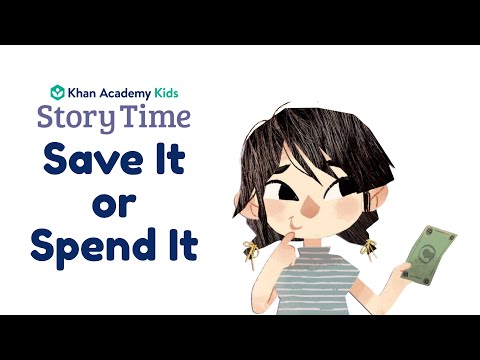
Save It or Spend It | Kids Book Read Aloud | Story Time with Khan Academy Kids

Score for ages 8–10 · Low observed concern in the sample
  • Promotes financial literacy and money management skills for children.
  • Encourages planning and delayed gratification in a kid-friendly way.
  • Uses relatable characters and situations to teach life skills.
popular · standard video100/100

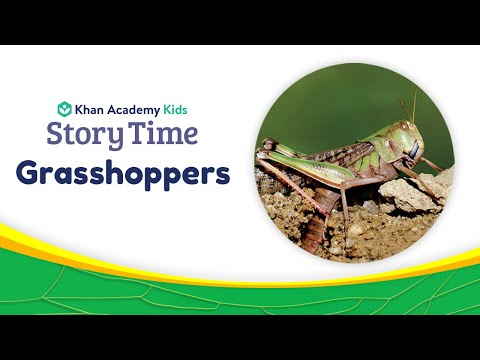
Grasshoppers | Kids Book Read Aloud | Story Time with Khan Academy Kids | Nonfiction books

Score for ages 8–10 · Low observed concern in the sample
  • The content is educational, teaching children about grasshoppers and their role in ecosystems.
  • The language is simple, positive, and age-appropriate for young children.
  • The video encourages curiosity and kindness towards insects.
popular · standard video96/100

Snow Day | Kids Book Read Aloud | Story Time with Khan Academy Kids | Winter Books

Score for ages 8–10 · Low observed concern in the sample
  • Promotes friendship and support
  • Encourages trying new activities safely
  • Positive and gentle storytelling
popular · standard video97/100

A Helping Hand | Story Time Read-Aloud for Kids | Animals + Winter + Sharing | Khan Academy Kids

Score for ages 8–10 · Low observed concern in the sample
  • Promotes kindness and teamwork
  • Encourages social-emotional learning and sharing
  • Teaches about nature and animal behavior in winter
Read this score correctly

A channel assessment is a starting point, not a guarantee.

The assessment evaluates observable patterns in the sampled videos. It does not cover private or deleted videos, comments, recommendations, livestream behavior, visual-only moments that cannot be reliably identified, or every upload.

Creator-controlled source material is treated only as evidence and cannot instruct or override the analysis. Pages are refreshed and may be unpublished when evidence becomes stale or unreliable.

See the complete sampling and scoring method