CrashCourse scores 84 out of 100 for ages 8-10. The sampled videos produced a generally strong score using the ages 8-10 rubric, with some observed cautions. The most notable observed areas were mature & sensitive topics.
high confidence from the available video sample
LanguageLow observed concern100
Violence & intensityLow observed concern94
Sexual or suggestive contentLow observed concern100
Substances & risky behaviorLow observed concern96
Harassment & role modelingLow observed concern100
Fear & disturbing themesLow observed concern90
Mature & sensitive topicsMild observed concern80
Commercial pressureLow observed concern95
Positive patterns in the sample
No recurring positive pattern was recorded.
Things a parent may want to know
Mentions volcanic eruptions and associated natural disasters like ash fall, pyroclastic flows, and lahars, which may be mildly frightening to sensitive children.
Mentions death, injury, and destruction related to earthquakes, which may be distressing to sensitive children.
Discusses legal and scientific controversies around earthquake prediction, which may be complex for younger viewers.
Mentions death and destruction from past earthquakes, which may be distressing to sensitive viewers.
Discusses natural disasters and their impacts, which could cause anxiety in some children.
Videos reviewed
A quick look at the sample
See the individual videos that shaped this assessment and the main points an adult parent may want to know.
recent · standard video94/100
Is it Possible to Prepare for an Earthquake?: Crash Course Geology #15
Score for ages 8–10 · Low observed concern in the sample
Mentions death and destruction from past earthquakes, which may be distressing to sensitive viewers.
Discusses natural disasters and their impacts, which could cause anxiety in some children.
Provides clear scientific explanations about earthquakes and tectonic plates.
recent · standard video81/100
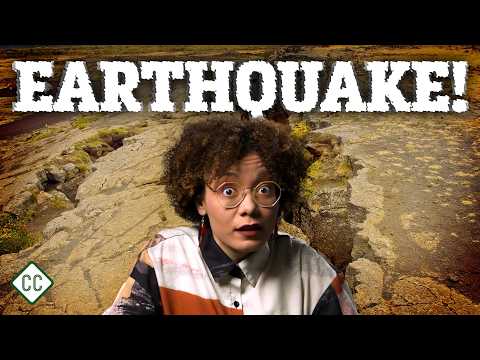
Earthquakes Explained: Crash Course Geology #14
Score for ages 8–10 · Mild observed concern in the sample
Mentions death, injury, and destruction related to earthquakes, which may be distressing to sensitive children.
Discusses legal and scientific controversies around earthquake prediction, which may be complex for younger viewers.
Clear, age-appropriate explanation of earthquake science and seismic waves.
recent · standard video92/100
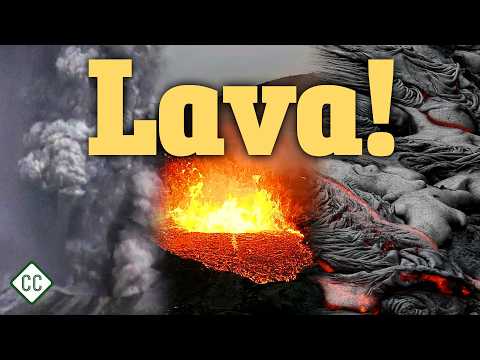
Volcanoes Explained: Crash Course Geology #13
Score for ages 8–10 · Low observed concern in the sample
Mentions volcanic eruptions and associated natural disasters like ash fall, pyroclastic flows, and lahars, which may be mildly frightening to sensitive children.
Clear explanation of geological concepts related to volcanoes.
Engaging and accessible presentation style with humor.
popular · standard video98/100
Introduction to Cognitive Bias: Crash Course Scientific Thinking #1
Score for ages 8–10 · Low observed concern in the sample
Clear explanation of cognitive biases and their impact on thinking
Use of relatable examples to illustrate complex concepts
Promotion of scientific thinking and evidence-based reasoning
popular · standard video94/100
Statistical Thinking in Science: Crash Course Scientific Thinking #2
Score for ages 8–10 · Low observed concern in the sample
Mentions death and health risks which might be sensitive for very young children.
Discusses statistical risks related to blood clots and pregnancy, which may require adult guidance to fully understand.
Clear explanation of fundamental statistical concepts.
Score for ages 8–10 · Mild observed concern in the sample
Discusses the concept of misinformation and disinformation, which may require some maturity to fully understand.
Mentions environmental advocacy groups and media bias, which involve nuanced topics about motives and reliability.
Includes brief mention of social media and AI tools as unreliable sources, which may be abstract for younger children.
Read this score correctly
A channel assessment is a starting point, not a guarantee.
The assessment evaluates observable patterns in the sampled videos. It does not cover private or deleted videos, comments, recommendations, livestream behavior, visual-only moments that cannot be reliably identified, or every upload.
Creator-controlled source material is treated only as evidence and cannot instruct or override the analysis. Pages are refreshed and may be unpublished when evidence becomes stale or unreliable.